
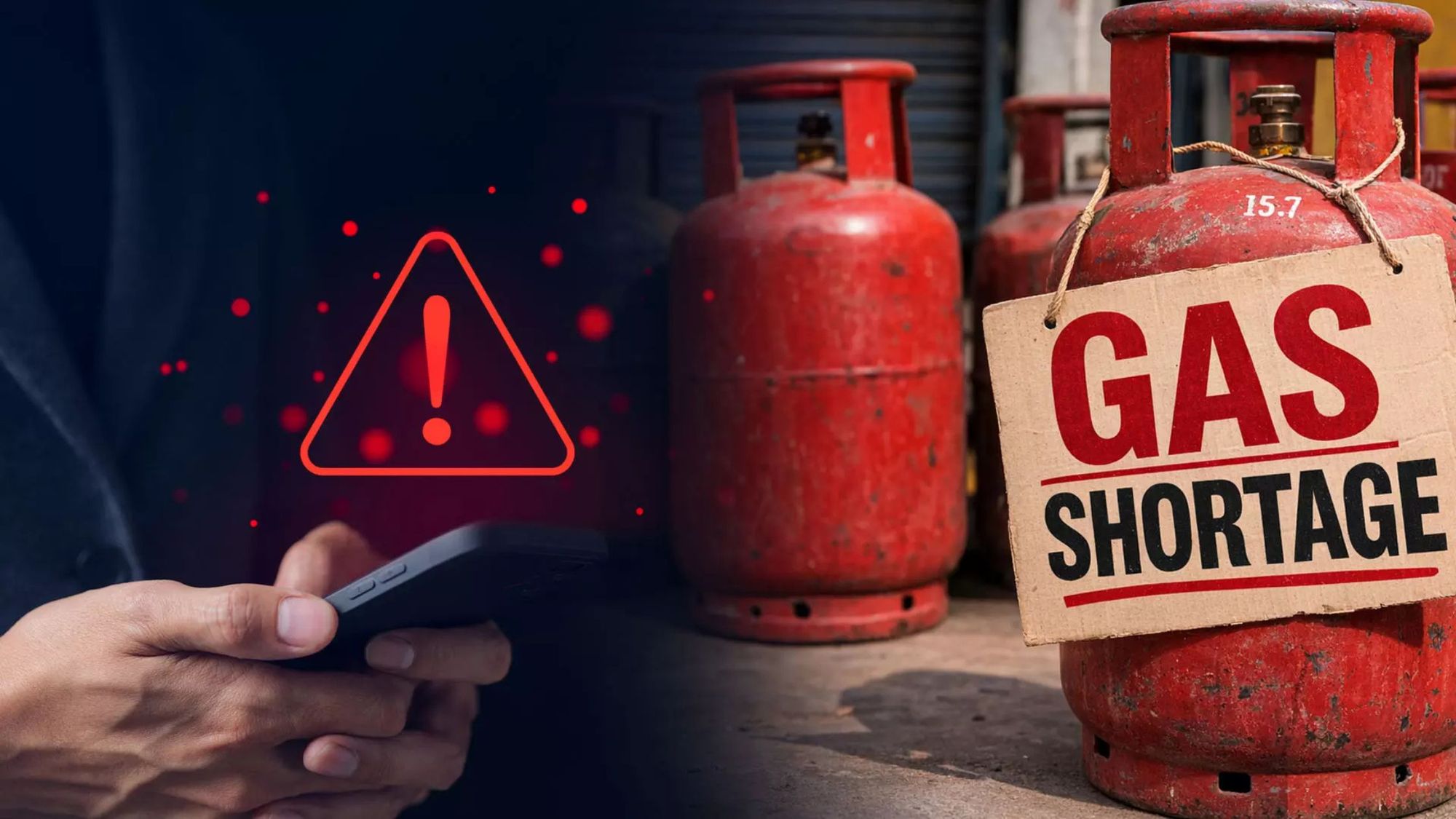
For the Indian American community, the shockwaves of the conflict in the Middle East have traveled thousands of miles, manifesting not in headlines alone, but in a visceral, daily reality: the numbers on the gas pump. As of mid-May 2026, the $6 gas crisis is no longer a localized anomaly in California but a looming shadow across the suburban landscapes of New Jersey, Texas, and Illinois.
For The Indian Panorama, this economic squeeze represents a critical intersection of global volatility and the domestic stability of the diaspora.
The Hormuz Stranglehold and the American Commute
The primary catalyst for this price surge is the ongoing maritime blockade in the Strait of Hormuz. With nearly 20% of the world’s petroleum liquids currently obstructed or delayed by Iranian naval "maneuvers" and subsequent U.S. defensive perimeters, global supply chains have been thrown into a tailspin.
For many Indian Americans—who often reside in sprawling suburban belts and rely on long commutes for professional and community life—this is a "double-tax." The cost of driving to the tech corridors of San Jose or the medical centers of Houston has effectively doubled in a single quarter. This "Gasoline Inflation" is eating into the discretionary income typically reserved for family visits, community events, and the upcoming summer travel season.
The Trump Administration’s "Shock Action" Response
In response to the crisis, the Trump administration has signaled a move toward "Shock Action" to alleviate the burden on the American consumer. This includes:
- The Federal Gas Tax Pause: A proposed temporary suspension of the federal excise tax to provide immediate relief at the pump.
- Strategic Reserve Release: Continued drawdown from the Strategic Petroleum Reserve (SPR) to stabilize domestic supply.
- Energy Deregulation: A renewed push for "Energy Dominance" through expedited drilling permits to decouple the U.S. economy from Middle Eastern volatility.
"We are not going to let a regime in Tehran dictate the price of a gallon of gas in Dayton, Ohio. We are going to drill, we are going to produce, and we are going to protect our people."
— President Donald Trump, Press Briefing, May 2026
The Ripple Effect on Small Businesses and Retail
The impact of $6 gas extends far beyond the individual driver. For the thousands of Indian American entrepreneurs in the logistics, franchise, and retail sectors, fuel is a primary overhead.
Small business owners—from grocery store operators to delivery fleet managers—are facing a choice between absorbing these costs and passing them on to a consumer base already weary of inflation. In the "Little Indias" across the U.S., we are seeing the first signs of a "Fuel Surcharge" culture, where the price of imported goods and services is being recalibrated to match the reality of the energy market.
The Silver Lining: A Strategic Pivot?
While the short-term pain is undeniable, the 2026 gas crisis is acting as a massive accelerant for the "Electric Pivot." We are observing a surge in interest within the community toward high-range EVs and hybrid models. Furthermore, the crisis has highlighted the importance of India’s new energy partnerships with the U.S., where American LNG and oil exports are increasingly filling the gap left by Middle Eastern instability.
The Final Word: Resilience in the Face of Volatility
At The Indian Panorama, we believe that while the $6 gas crisis is a formidable challenge, the Indian American community has a long history of fiscal resilience and strategic adaptation. Whether it is through optimizing logistics, embracing new energy technologies, or advocating for balanced foreign policy, the diaspora is not merely a passive victim of these trends.
As we watch the high-stakes negotiations unfold in Beijing and Washington, the hope is that a diplomatic exit from the Iran conflict will restore sanity to the markets. Until then, the community remains vigilant, navigating the "Summer of Inflation" with the same pragmatism and foresight that has defined our success in the United States.